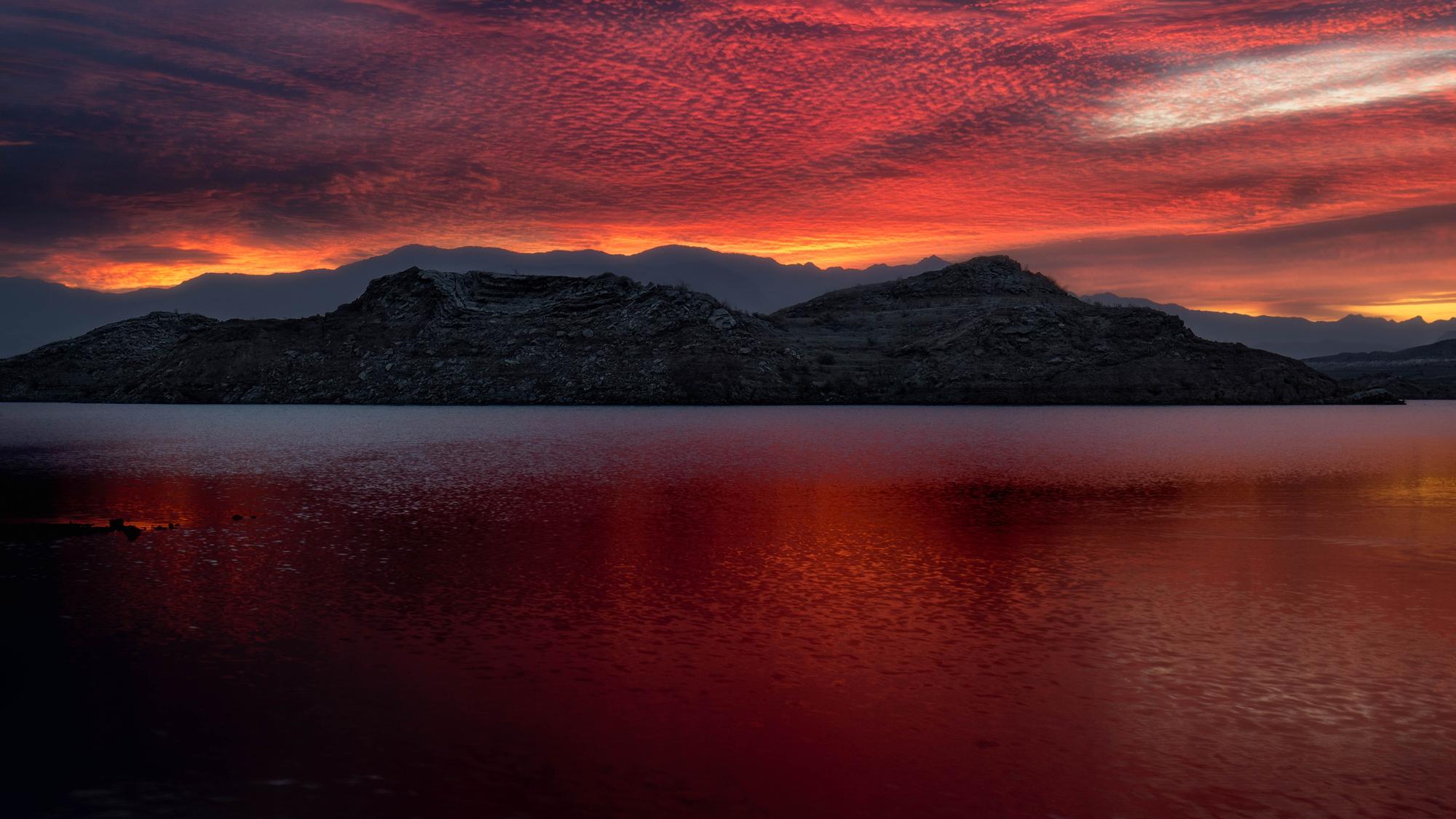
Lake Mead stands as one of Southern Nevada’s most iconic outdoor escapes, drawing millions of visitors for hiking, boating, fishing, and desert sightseeing. With cannabis legal for adults in Nevada, the reservoir has also become a quiet favorite for those who enjoy pairing nature with elevated relaxation. Yet with that freedom comes responsibility. Protecting Lake Mead’s fragile desert ecosystem requires mindful consumption habits that keep the shoreline, trails, and water pristine for years to come.
One of the biggest issues affecting the area is litter—something the National Park Service frequently reports during seasonal cleanups. Items like plastic packaging, pre-roll tubes, lighter wrappers, and vape cartridges can quickly accumulate. For cannabis consumers, the solution is simple: plan ahead. Bringing a designated “trash bag” ensures every piece of packaging, no matter how small, makes it home. Even biodegradable materials take far longer to break down in the extreme desert climate, making pack-in, pack-out practices essential.
Fire safety is another key concern. While smoking outdoors may feel natural, open flames and hot ash pose real risks on dry, windy days. The Mojave Desert can ignite quickly, and embers from joints or bowls have caused fires in similar ecosystems throughout the Southwest. Visitors should check fire danger levels before lighting up, avoid smoking in brush-heavy areas, and always extinguish products completely. For a safer alternative, many consumers opt for edibles or vape products, which eliminate open flames and reduce impact on the surrounding landscape.
Wildlife protection is equally important. The Lake Mead region is home to desert bighorn sheep, foxes, coyotes, tortoises, and hundreds of bird species. Cannabis waste—especially flavored vape pods, gummies, or edible wrappers—can attract animals, leading to ingestion and serious harm. By storing all cannabis products in sealed containers and keeping consumption areas tidy, visitors help prevent wildlife from encountering potentially dangerous materials.
Responsible consumption also extends to courtesy toward other visitors. Lake Mead hosts families, runners, paddleboarders, and hikers from all over the world, many of whom may prefer a scent-free environment. Being mindful of wind direction, avoiding crowded viewpoints, and choosing discrete products like tinctures or edibles helps maintain a respectful shared space. Nevada law also prohibits public consumption on federal land, so visitors should always prioritize private, legal settings such as rented houseboats or designated areas where allowed.
Finally, education plays a major role. When cannabis enthusiasts model good habits—picking up trash, discouraging single-use plastics, and sharing cleaner consumption methods—it creates a ripple effect across the outdoor community. Groups like the National Park Service’s “Leave No Trace” partners emphasize stewardship, a philosophy that aligns naturally with mindful cannabis use.
By embracing small, intentional choices, cannabis consumers can help preserve Lake Mead’s beauty while enjoying Nevada’s legal landscape. Protecting the desert is a shared responsibility, and with responsible practices, Lake Mead can remain a clean, vibrant retreat for future generations of outdoor lovers.